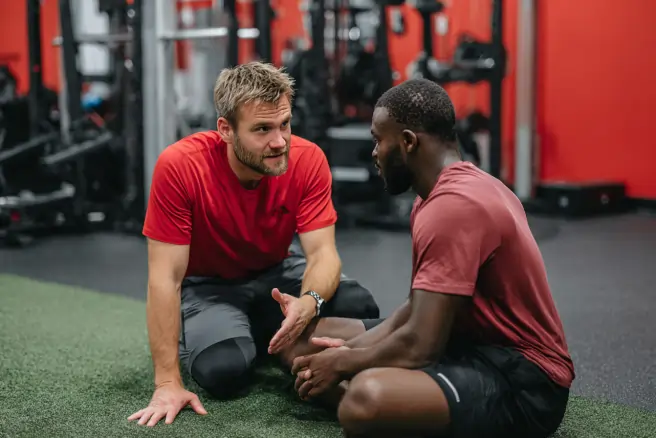
Sports psychology is a specialized field that focuses on how psychological factors impact athletic performance, physical activity, and overall well-being. It combines principles of psychology and sports science to help athletes perform at their best, overcome mental barriers, and maintain a healthy balance in their professional and personal lives.
Exploring Performance Psychology: Key Components for Success
- Mental Preparation: Techniques such as visualization, goal-setting, and pre-performance routines help athletes prepare mentally for competition.
- Focus and Concentration: Strategies to minimize distractions and maintain attention on critical tasks during performance.
- Emotional Regulation: Tools for managing stress, anxiety, frustration, or overexcitement during competitive moments.
- Confidence Building: Helping athletes develop self-belief through positive thinking patterns and past accomplishments.
- Resilience Training: Developing skills to recover from setbacks quickly while maintaining motivation.
How a Sports Psychologist Can Benefit Athletes
| Benefit | Description |
| Improved Mental Toughness | Equipping athletes with the tools needed to face challenges head-on without losing focus. |
| Enhanced Performance | Ensuring optimal focus under pressure situations such as tournaments or decisive matches. |
| Reduced Stress | Teaching relaxation techniques to help athletes manage competitive stress effectively. |
| Increased Motivation | Using intrinsic and extrinsic motivational strategies to keep athletes engaged in their goals. |
| Better Team Dynamics | For team sports, fostering communication and collaboration between teammates enhances outcomes. |
The Relationship Between Mindset and Athletic Success
A strong mindset is often the dividing line between good athletes and great ones. Athletes who can stay focused under pressure are more likely to excel in competitive environments. This is where sports psychologists play a crucial role by helping individuals develop a growth mindset.
Key factors influencing mindset include: – Self-Talk: Encouraging positive internal dialogue rather than self-doubt or criticism. – Visualization Techniques: Mentally rehearsing successful outcomes before events improve confidence levels. – Mindfulness Practices: Staying present in the moment helps reduce overthinking during high-stakes situations.
Collaboration Between Coaches, Athletes, and Psychologists
To maximize results, it’s essential for coaches to collaborate with sports psychologists. This partnership ensures that mental training aligns with physical training regimens.
Here’s how this collaborative effort benefits all stakeholders: 1. Coaches gain insights into an athlete’s psychological strengths and areas for development. 2. Athletes receive targeted guidance tailored toward their specific challenges. 3. Together, they establish holistic strategies that address both physical training goals and mental performance objectives.
Sports psychology not only improves individual performance but also fosters long-term well-being by teaching life skills applicable beyond the realm of athletics. As this field continues to grow, its impact on shaping world-class athletes becomes increasingly evident.
Athlete Performance Coaching: Helping Athletes Improve Focus, Build Confidence, and Reach Their Full Potential
MindBalanceSPORT
1355 Beverly Rd suite 225, McLean, VA 22101
(469) 373 9019
https://www.mindbalancesport.com
Sports psychology plays a pivotal role in helping athletes overcome mental barriers, maximize their performance, and achieve their goals. By employing tailored psychological strategies, coaches and psychologists can guide athletes to improve focus, build self-confidence, and unlock their full potential. Below we explore effective methods to support athletes in these areas.
Strategies to Improve Focus
- Mindfulness Training:
Practicing mindfulness techniques such as deep breathing or meditation can help athletes remain present and fully engaged during training or competition. - Goal Setting:
Encouraging athletes to set clear, specific, and manageable goals keeps them directed toward key objectives while reducing mental clutter. - Pre-performance Routines:
Developing consistent routines before games or events helps create mental clarity and reinforces a sense of readiness. Examples include stretching exercises, visualization practices, or reviewing game plans.
| Technique | Purpose | Example Practice |
| Mindfulness Training | Improve present-moment focus | Guided meditation sessions |
| Goal Setting | Maintain clarity of purpose | Establishing daily objectives |
| Pre-performance Routines | Create mental preparedness | Visualization before a match |
Building Confidence in Athletes
- Positive Self-Talk:
Teach athletes how to replace negative thoughts with empowering statements like “I am prepared” or “I have the skills needed.” - Celebrating Progress:
Acknowledge small milestones during training sessions. Highlighting improvement fosters motivation and builds a stronger sense of capability. - Visualization Techniques:
Encourage athletes to visualize themselves succeeding in specific scenarios (e.g., scoring a goal). This improves mental preparation while reinforcing confidence.
Unlocking Full Athletic Potential
- Emphasize Resilience: Help athletes learn how to bounce back from setbacks using reflective exercises (e.g., journaling about lessons learned from challenges).
- Strengthen Emotional Regulation Skills: Teach techniques like progressive muscle relaxation for managing stress during high-pressure situations.
- Promote Growth Mindset Principles: Reinforce the idea that abilities can be improved through effort rather than being fixed traits.
By integrating these approaches into training routines, both individual athletes and teams can strengthen not only their performance but also their overall mental well-being.
Key Takeaway
Supporting athletes’ growth requires targeted interventions focused on improving concentration, fostering confidence, and nurturing resilience. When psychological skills are developed alongside physical abilities, the result is holistic personal growth that enables individuals to thrive under any sporting conditions.
Exploring Why Knowledge of Sports Psychology is Crucial for Coaches and Athletes
Sports psychology plays a pivotal role in modern athletic performance, serving as a bridge between physical ability and mental resilience. For both coaches and athletes, understanding the concepts and applications of sports psychology is essential for achieving peak performance. This knowledge not only enhances individual outcomes but also fosters stronger team dynamics, improved decision-making under pressure, and sustainable growth in competitive environments.
Benefits of Sports Psychology for Athletes
- Improved Mental Resilience
Athletes often face challenges such as injuries, losses, or pressure to perform. Sports psychology equips them with coping mechanisms to manage setbacks constructively. - Enhanced Focus and Concentration
Techniques like mindfulness and visualization enable athletes to block out distractions during critical moments of performance. - Increased Confidence
Positive self-talk strategies help athletes develop belief in their abilities, even when facing tough opponents or high-stakes situations. - Better Stress Management
Learning relaxation techniques can reduce performance anxiety, allowing athletes to remain calm under pressure.
Why Coaches Need Sports Psychology
- Building Trust with Athletes
Coaches who understand psychological principles are better equipped to connect with their athletes on a personal level. This trust leads to open communication and more effective problem-solving. - Tailoring Training Plans
Every athlete has unique mental strengths and weaknesses. Knowledge of sports psychology allows coaches to create individualized plans that address these differences. - Promoting Team Cohesion
By fostering emotional intelligence within the team dynamic, coaches can encourage collaboration over competition among teammates. - Recognizing Burnout or Mental Health Concerns
Awareness of psychological patterns helps coaches identify when athletes may be struggling with overtraining or mental fatigue so they can intervene early.
Applications of Sports Psychology: A Collaborative Effort
| Aspect | Athlete’s Role | Coach’s Support |
| Setting Goals | Define personal objectives | Provide actionable steps toward goals |
| Visualization | Picture successful outcomes | Guide through imagery exercises |
| Emotional Regulation | Manage emotions during play | Offer encouragement during reflection |
| Stress Management | Practice relaxation methods | Monitor stress levels in practice/games |
Real-Life Implications
Understanding sports psychology is not just theoretical; it has tangible effects on performance metrics across all levels of sport. Teams that integrate these principles often report fewer conflicts among members, reduced injury rates due to improved focus, and more consistent results during competitions.
Investing time to understand sports psychology empowers both athletes and coaches to unlock untapped potential while navigating challenges effectively—ultimately leading to long-term success in their respective journeys.
The Importance of Holistic Development in Sports Psychology for Athletes and Teams
Holistic development in sports psychology focuses on addressing the physical, mental, emotional, and social needs of athletes. This approach is essential for achieving long-term success both on and off the field. By nurturing all aspects of an athlete’s well-being, coaches and psychologists can create an environment where athletes flourish personally while improving performance professionally.
Key Components of Holistic Development
- Mental Well-Being
Mental health is a cornerstone of holistic development. Supporting athletes’ mental well-being ensures they are psychologically prepared to handle the pressures associated with competition. - Promoting mindfulness training to manage stress.
- Incorporating visualization techniques to enhance focus.
- Encouraging open discussions about mental health challenges.
- Emotional Growth
Emotional regulation is vital for performing under pressure. Athletes who are emotionally resilient exhibit better decision-making skills during critical moments. - Teaching emotional regulation strategies such as deep breathing or progressive muscle relaxation.
- Addressing self-doubt by building positive self-talk routines.
- Practicing gratitude or journaling to maintain emotional balance.
- Physical Health
Physical fitness is inseparable from psychological growth in sports performance. A comprehensive approach considers how nutrition, sleep, and recovery impact both body and mind.
| Focus Area | Impact on Performance | Suggested Practices |
| Nutrition | Fuels energy and focus | Create personalized meal plans |
| Sleep | Improves cognitive function | Ensure 7-9 hours per night |
| Recovery | Reduces risk of injury | Use active rest methods like yoga |
Social Relationships
Team dynamics play a significant role in individual success. Fostering healthy relationships within teams can encourage collaboration, trust, and mutual support.- Providing team-building workshops.
- Emphasizing clear communication among teammates.
- Encouraging mentors or role models within the team structure.
Benefits of Holistic Development
- Enhanced Resilience: Athletes become better equipped to recover from setbacks or injuries by understanding the interplay between their mental and physical health.
- Sustained Motivation: Addressing intrinsic motivators ensures that athletes remain committed to their goals over time rather than burning out early in their careers.
- Improved Team Cohesion: By focusing not just on individual excellence but also on collective growth, teams can work more effectively toward shared objectives.
- Well-Rounded Growth: Athletes gain transferable life skills such as leadership, time management, and interpersonal communication that benefit them beyond sports.
Strategies for Implementing Holistic Development
- Conduct regular assessments focusing on each pillar: physical health, mental wellness, emotional stability, and social relationships.
- Customize interventions based on individual needs rather than using one-size-fits-all solutions.
- Involve interdisciplinary teams including coaches, sports psychologists, nutritionists, and physiologists to create a collaborative support system for athletes.
By investing in holistic development strategies within sports psychology practices, both individuals and teams can unlock previously untapped potential while fostering personal fulfillment alongside professional achievement.
Techniques for Developing Emotional Regulation to Enhance Sporting Performance
Emotional regulation plays a critical role in an athlete’s ability to perform under pressure. In sports, where the stakes can be high, managing emotions effectively can be the difference between success and failure. Sports psychologists employ various techniques to help athletes develop emotional regulation skills, ensuring they remain composed and focused during competition or training.
What is Emotional Regulation?
Emotional regulation refers to the ability to recognize, monitor, and manage emotional responses in a way that aligns with long-term goals or immediate performance requirements. For athletes, this means maintaining focus despite anxiety, frustration, or external distractions.
Benefits of Emotional Regulation in Sports
- Increased Focus: Athletes can maintain concentration on their tasks without being overwhelmed by emotions.
- Improved Decision-Making: Regulated emotions lead to clearer thinking during high-pressure situations.
- Consistency in Performance: Emotional stability reduces performance swings caused by mood changes.
- Reduced Burnout: Effective management of emotions lowers stress levels over time, helping avoid mental and physical fatigue.
Key Techniques for Developing Emotional Regulation
- Mindfulness helps athletes stay present in the moment rather than dwelling on past mistakes or future outcomes.
- Focused breathing exercises
- Progressive muscle relaxation
- Body scanning meditation
- Athletes learn to challenge negative thoughts and replace them with constructive alternatives.
- Negative thought: “I always mess up under pressure.”
- Reframed thought: “I’ve prepared well and am ready for this challenge.”
- Identifying specific emotions reduces their intensity and provides a sense of control.
- Example: | Emotion Felt | Thought Adjustment | |—————–|———————————| | Anxiety | “This adrenaline can fuel me.” | | Frustration | “I’ll focus on what I control.”|
- Imagery exercises allow athletes to mentally rehearse challenging situations while staying calm.
- Performing successfully under stress.
- Managing setbacks gracefully during competition.
- Establishing consistent routines before events helps regulate nerves and instill confidence.
- Listening to calming music
- Practicing affirmations (e.g., “I am prepared”)
- Emotion Regulation Through Self-Talk Positive self-talk fosters emotional stability by reinforcing resilience and self-belief: Instead of saying: “I’m not good enough,” Try saying: “I’m here because I’ve earned my spot.”
Challenges Athletes Face Without Emotional Regulation
| Issue | Impact |
| Overwhelming Anxiety | Loss of focus during critical moments |
| Anger Outbursts | Damaged relationships with teammates/coaches |
| Impulsive Decisions | Poor strategic choices in games or matches |
Final Thoughts on Emotional Regulation
By integrating these techniques into their training regimen, athletes can develop resilience against emotional disruptions that hinder performance. Consistent practice under the guidance of sports psychologists ensures these skills become second nature—enabling both individual athletes and teams to thrive regardless of external pressures or internal challenges.
How Brain Development Impacts Mental Toughness in Sports Psychology
Understanding the connection between brain development and mental toughness is essential for athletes, coaches, and sports psychologists. Mental toughness involves the ability to stay focused, resilient, and adaptable in challenging situations. By exploring how brain functions influence mental fortitude, sports professionals can develop strategies to enhance performance.
The Science of Brain Development and Sports
- Prefrontal Cortex: Responsible for decision-making, focus, and self-regulation. A well-developed prefrontal cortex helps athletes manage pressure effectively.
- Amygdala: Governs emotional responses like fear or anxiety. Overactivity in this region can hinder performance under stress.
- Hippocampus: Supports memory formation and learning. It aids athletes in analyzing past performances to make improvements.
- Cerebellum: Influences motor control and coordination—key components for athletic execution.
Understanding these regions allows sports psychologists to tailor training that optimizes both physical skills and mental resilience.
Factors Influencing Mental Toughness
- The ability of the brain to adapt through experience and practice.
- Regular exposure to high-pressure scenarios helps athletes build stronger neural pathways associated with focus and resilience.
- Chronic stress can impair cognitive functioning by affecting areas like the prefrontal cortex.
- Techniques such as mindfulness reduce stress levels while enhancing focus under pressure.
- Sleep is crucial for cognitive recovery and emotional regulation.
- Athletes who prioritize rest experience improved reaction times, decision-making abilities, and emotional stability.
- Proper nutrition fuels optimal brain function.
- Deficits in key nutrients like omega-3s or dehydration can negatively affect concentration during competition.
Techniques for Enhancing Brain Development in Athletes
- Mindfulness Training: Increases awareness of thoughts without judgment, helping athletes remain composed under stress.
- Visualization Exercises: Encourages athletes to mentally rehearse success scenarios, reinforcing positive neural patterns related to confidence.
- Goal Setting & Self-Talk Strategies: Breaks overwhelming tasks into manageable steps while promoting affirming internal dialogue.
- Biofeedback Tools: Tracks physiological responses (e.g., heart rate) during performance; teaches regulation techniques for better control over emotions like anxiety or frustration.
| Key Area of Focus | Impact on Mental Toughness | Suggested Practice |
| Neuroplasticity | Builds resilience through repetition | Simulate high-pressure game scenarios |
| Stress Regulation | Prevents cognitive overload during competitions | Practice deep breathing or meditation |
| Quality Sleep | Enhances focus, recovery, decision-making | Maintain consistent sleep routines |
| Nutrition & Hydration | Fuels energy for both body and mind | Incorporate balanced diets into routines |
Implications for Sports Psychology Interventions
- Identifying whether anxiety stems from overactivation of the amygdala could lead to tailored relaxation techniques.
- Addressing lapses in focus by training the prefrontal cortex through strategic exercises may help refine attention during critical moments of competition.
When applied thoughtfully, these insights equip athletes with practical skills that foster both sustained high performance and long-term well-being.
Mastering Performance Skills Through the Principles of Sports Psychology
Mastering performance skills requires more than just physical training. Sports psychology offers athletes and coaches a framework to enhance mental resilience, focus, and the ability to perform consistently under pressure. By implementing key principles of sports psychology, athletes can develop strategies to optimize their mental game, which is crucial for achieving peak performance.
Key Principles of Sports Psychology for Mastering Performance
- Establish clear, specific, and measurable goals to maintain focus.
- Use both short-term (daily/weekly) and long-term (season or career) goals to track progress.
- Example: Instead of “improve endurance,” set a goal like “run 5 km in under 25 minutes within three months.”
- Practice mental rehearsal by visualizing successful execution of skills or competition scenarios.
- Focus on all senses—sight, sound, touch—to create vivid imagery.
- Studies show that visualization activates neural pathways similar to those used during physical performance.
- Replace negative thoughts with positive affirmations or constructive self-dialogue.
- Examples: Instead of thinking “I can’t do this,” use phrases like “I’ve prepared for this moment.”
- Develop consistent routines before competition to reduce anxiety and enhance focus.
- These routines could include breathing exercises, stretches, or listening to music that motivates the athlete.
The Role of Mental Toughness
| Mental Toughness Component | Description | Benefits |
| Resilience | Ability to recover from setbacks quickly | Improved persistence in difficult situations |
| Confidence | Belief in one’s abilities under pressure | Stronger self-efficacy leading to better results |
| Emotional Control | Regulating emotions during stressful moments | Consistent decision-making in high-pressure environments |
Developing these attributes requires consistent practice through exposure to challenging situations during training sessions.
Practical Tips for Athletes and Coaches
- Journal daily experiences related to performance mindset—successes and areas for improvement.
- Incorporate mindfulness training such as meditation or controlled breathing exercises.
- Provide regular feedback focused on effort-based achievements rather than solely outcomes.
- Encourage open conversations about mental challenges athletes may face during high-stakes events.
By systematically applying these strategies rooted in sports psychology principles, individuals can unlock higher levels of competence not only in their sport but also in everyday challenges requiring discipline and focus.
Effective Coaching Conversations for Mental Growth and Peak Athletic Performance
Engaging in effective coaching conversations is a vital aspect of fostering mental growth and optimizing athletic performance. These conversations bridge the gap between physical preparation and mental excellence, enabling athletes to unlock their full potential. By focusing on clear communication, psychological principles, and tailored strategies, coaches can create an environment that nurtures growth while promoting peak performance.
Key Elements of Effective Coaching Conversations
- Coaches should prioritize active listening to truly understand an athlete’s perspective, concerns, and goals.
- Techniques include maintaining eye contact, nodding for acknowledgment, and asking open-ended questions for clarity.
- Establishing specific, measurable, attainable, relevant, and time-bound (SMART) goals helps athletes stay focused on their developmental journey.
- Ensure that goals align with the athlete’s personal aspirations as well as team objectives.
- Acknowledge achievements to build confidence and motivation.
- Highlight progress instead of focusing solely on outcomes or shortcomings.
- Provide feedback that is objective, actionable, and supportive.
- Avoid criticism that targets personality; instead focus on behaviors or skills that can be improved.
- Address emotional states during conversations by recognizing stressors or anxieties that could impact the athlete’s performance.
- Build trust by showing empathy when discussing sensitive issues.
Strategies to Foster Mental Growth in Athletes
- Visualization Techniques: Encourage athletes to mentally rehearse key moments in competition to build confidence and reduce fear of failure.
- Stress-Management Tools: Teach relaxation exercises such as deep breathing or mindfulness practices to help athletes manage pre-competition nerves.
- Self-Talk Strategies: Promote positive self-dialogue to transform self-doubt into affirmations of ability during high-pressure scenarios.
Sample Framework for a Coaching Conversation
| Phase | Description | Example Questions |
| Opening | Build rapport; establish trust | “How have you been feeling about your training recently?” |
| Goal Setting | Identify short-term & long-term objectives | “What specific skills would you like to work on this week?” |
| Problem Solving | Address current challenges | “What obstacles are you encountering right now?” |
| Strategy Development | Co-create actionable plans | “What steps can we take together to improve this area?” |
| Closing | Summarize key points; offer encouragement | “You’ve made great strides; let’s keep building from here.” |
The Role of Communication in Peak Performance
Effective communication within coaching sessions doesn’t only develop mental strength but also cultivates trust between coach and athlete—an essential factor for achieving peak performance under competitive pressure. Clear articulation of expectations paired with empathetic dialogue allows athletes to feel supported while addressing weaknesses openly.
By refining their approach to these discussions using a mix of structure, empathy, and strategic focus areas like emotional regulation or skill enhancement, coaches set the foundation for sustainable success not just during competitions but throughout an athlete’s career trajectory.
- Exploring Sports Psychology Counseling for Enhanced Athletic Performance
- Elevate Your Game: Athlete Performance Coaching for Peak Success
- How sports psychology counseling can boost athletic performance
- Exploring the Mental Health Benefits of Sports with a Sports Psychologist
- How Athlete Performance Coaching Enhances Sport Psychology and Athletic Success
- Exploring Performance Psychology in Breaking Stigmas and Boosting Mental Health in Athletes
- Understanding Performance Psychology in Key Techniques and Concepts